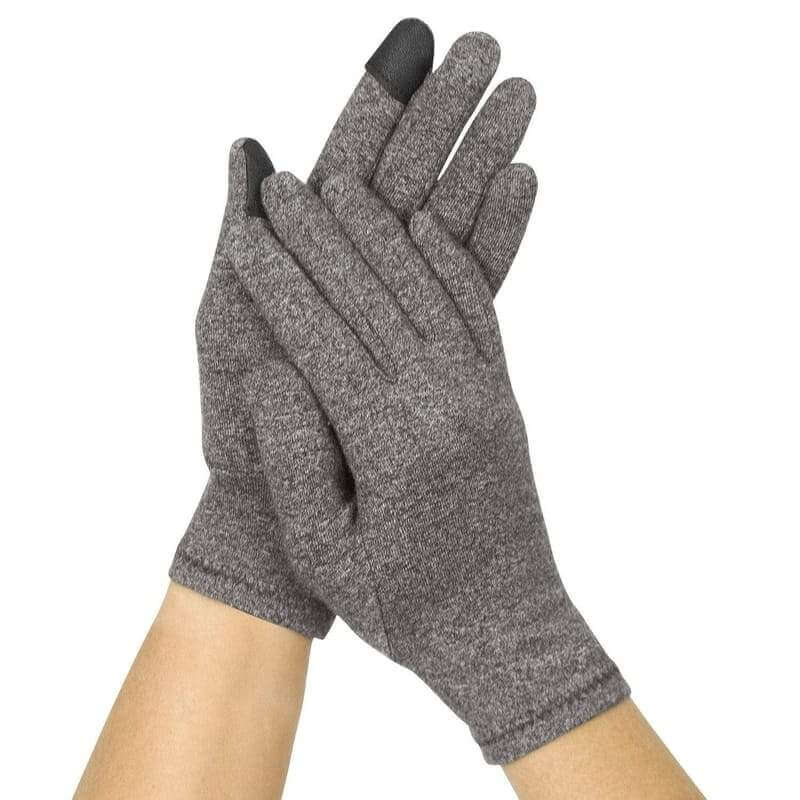
For the millions of people living with arthritis, the hands are often where the condition is felt most acutely in daily life. Buttoning a shirt, opening a jar, typing on a keyboard, holding a cup of tea — these small, ordinary acts can become sources of pain, frustration, and fatigue when joints are inflamed, stiff, or swollen. Managing that discomfort without relying solely on medication is something many people actively seek, and full finger arthritis gloves have become one of the more widely used and consistently recommended non-pharmaceutical tools for doing so.
This guide explains how these gloves work, what to look for when choosing a pair, and how they can support greater comfort and function in everyday activities.
How Compression Gloves for Arthritis Pain Relief Actually Work
The therapeutic benefit of arthritis gloves is rooted in the principle of graduated compression. When gentle, consistent pressure is applied to the joints and surrounding soft tissue, it can help reduce swelling by encouraging improved circulation and lymphatic drainage. Less swelling typically means less stiffness, and less stiffness means more comfortable, controlled hand movement.
Warmth plays a complementary role. Arthritic joints are frequently more painful in cold conditions, and the insulating effect of a fitted glove helps maintain the natural warmth of the hand throughout the day. This combination of compression and warmth is what makes full finger arthritis gloves particularly effective for morning stiffness — one of the most common and disruptive symptoms of both osteoarthritis and rheumatoid arthritis.
It is worth noting that these gloves are a supportive tool, not a treatment. They do not address the underlying condition, but for many people they meaningfully reduce the daily experience of pain and improve the ability to engage in routine activities with greater ease.
Full Finger vs. Fingerless: Why Coverage Matters
Arthritis gloves are available in both fingerless and full finger designs, and the choice between them affects both function and comfort in practical ways.
Fingerless gloves leave the fingertips exposed, which allows for more tactile sensitivity and fine motor work. They are a reasonable choice for people whose primary concern is wrist and palm support and who need to handle small objects or read fine print throughout the day.
Full finger arthritis gloves extend compression and warmth all the way to the fingertip, which provides more complete joint support across the entire hand. For people who experience pain or swelling in the finger joints themselves — which is common in both rheumatoid and psoriatic arthritis — full coverage is typically more beneficial. The enclosed design also retains more warmth, which can be particularly helpful during cooler months or in air-conditioned environments.
Best Gloves for Hand Joint Stiffness: What to Look For
Choosing the right pair of full finger gloves for arthritis support involves evaluating a few key factors alongside personal preference.
Material and breathability. The fabric should apply gentle compression without feeling restrictive or causing heat buildup over long periods of wear. Blended materials that incorporate spandex or elastane provide the stretch needed for a close, supportive fit, while breathable weaves prevent the hands from becoming uncomfortable during extended use.
Touchscreen compatibility. For most people today, interacting with a smartphone, tablet, or other touchscreen device is part of daily life. Removing gloves to use a phone is a small but genuinely inconvenient interruption — particularly for people whose hands are stiff or sore. The Full Finger Arthritis Gloves with Digital Touchscreen Tips by Vive Health addresses this directly with fingertip compatibility that allows normal touchscreen interaction without removing the gloves, which is a practical quality-of-life benefit for everyday users.
Copper-infused fabrics. Some arthritis gloves incorporate copper-infused fibers into the fabric. Copper has long been associated with joint comfort in traditional use, and while clinical evidence remains mixed, many users report a noticeable difference in comfort and warmth with copper-blend gloves. The Copper Full Finger Arthritis Gloves with Touchscreen Compatibility by Vive combines this copper-infused construction with full finger coverage and touchscreen-friendly tips, offering a well-rounded option for people who want both the potential benefits of copper fabric and the convenience of uninterrupted device use.
Sizing and fit. Compression gloves only work as intended when they fit correctly. A glove that is too loose provides minimal therapeutic benefit, while one that is too tight can restrict circulation and cause discomfort. Most quality arthritis gloves come with sizing guides based on hand circumference, and taking the time to measure before purchasing is a worthwhile step.
Arthritis Gloves for Daily Activities: Practical Considerations
One of the most common questions people have about arthritis gloves is how long to wear them and when. Most occupational therapists recommend wearing them during periods of activity rather than continuously, particularly during morning hours when stiffness is typically at its peak. Wearing them while cooking, writing, using a computer, or engaging in light household tasks tends to produce the most practical benefit.
They are not generally recommended for wear during sleep unless specifically advised by a healthcare provider, as the reduced movement during sleep can sometimes cause the compression to feel uncomfortable. Night splints are a separate category of device designed specifically for overnight joint support.
Hygiene is also worth considering, particularly for those who wear gloves daily. Gloves that can be easily hand-washed and dried without losing their elasticity will hold up far better over time than those with complex care requirements. For users in care settings or those managing additional health conditions who require sterile or infection-controlled hand coverings, the Graham Field Grafcor Cotton Infection Control Gloves offer a cotton-based option suited to hygiene-sensitive environments and daily use alongside therapeutic gloves.
How to Choose Arthritis Gloves: A Simple Decision Framework
If you are weighing your options and feeling uncertain about where to start, a few straightforward questions can help narrow the choice.
Where do you feel the most pain — fingertips and finger joints, or primarily the wrist and palm? If the fingers themselves are the main concern, full finger coverage is the more appropriate choice. How important is touchscreen access during your day? If you use a phone or tablet regularly, look specifically for gloves with compatible fingertips. Do you tend to feel cold in your hands, or are you generally sensitive to heat? Copper-infused fabrics and enclosed designs retain more warmth, which is beneficial in some cases and less comfortable in others. Finally, consider whether you need one pair for active use or multiple pairs to allow for washing and rotation.
Speaking with your rheumatologist or occupational therapist before purchasing can also help clarify which features are most relevant to your specific type and stage of arthritis.
Conclusion
Full finger arthritis gloves are a practical, accessible tool for managing daily hand pain and stiffness. By providing consistent compression and retaining warmth across the entire hand, they support more comfortable movement through the activities that matter most — from preparing meals to staying connected with family and friends. Choosing the right pair involves matching the glove's design, material, and fit to your specific symptoms and daily routine.
The goal is not perfection — it is meaningful improvement in how your hands feel and function from one day to the next. With the right information and a well-fitted pair, that is an entirely reasonable outcome to expect.